
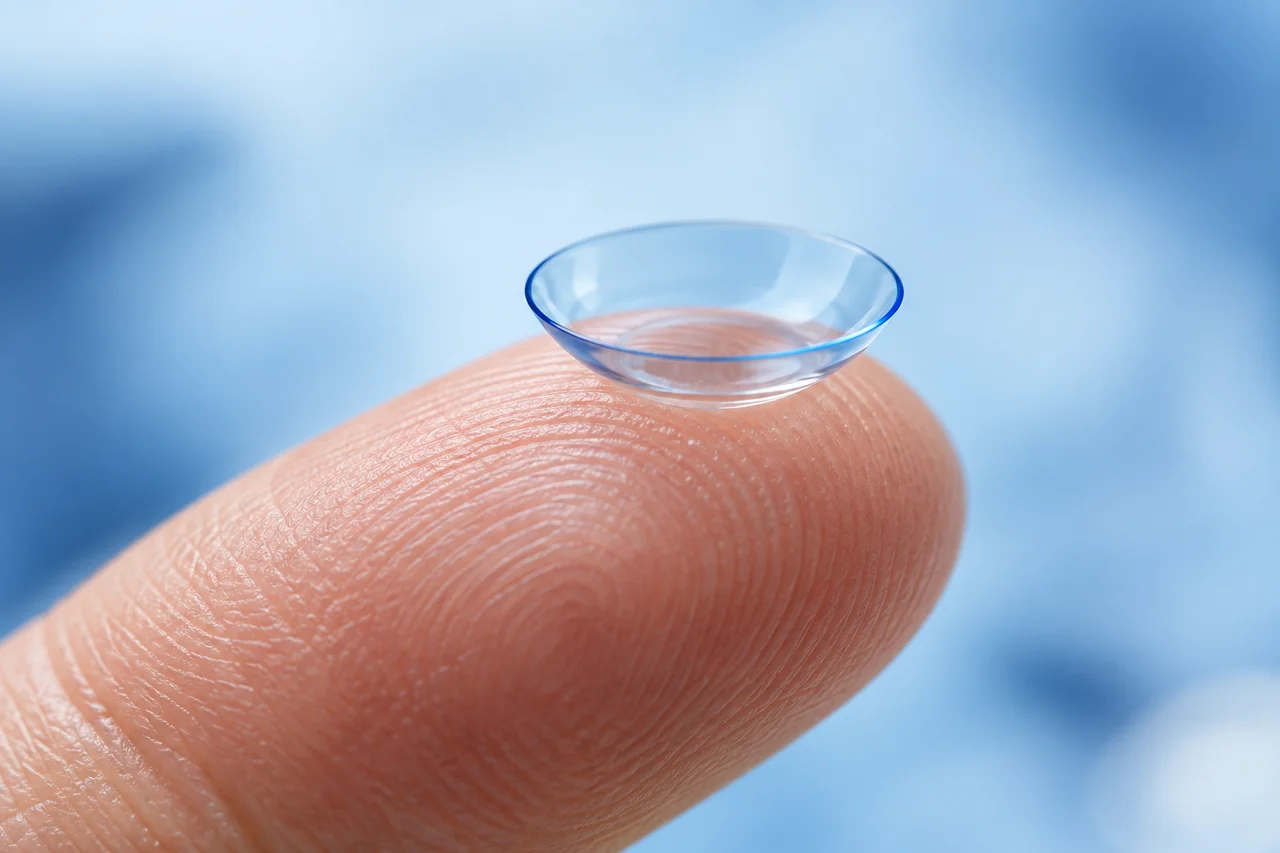
Ortho-K advantages over atropine alone
Ortho-K can offer a useful combination for suitable children: vision correction and a myopia-control approach in the same lens routine.
- Can provide daytime vision with less reliance on glasses or contacts; atropine alone does not correct distance blur.
- No atropine dosing when Ortho-K is prescribed on its own.
- An overnight routine that can suit children who want fewer daytime vision aids.
Why we begin with Ortho-K for suitable children
Ortho-K offers a practical combination: daytime vision correction and a myopia-control approach. A child using atropine generally still needs glasses or contact lenses for clear distance vision, because the drops do not replace that correction.
Different routines and considerations
Ortho-K requires prescribed overnight lens wear, cleaning and fit checks. Atropine requires a prescribed drop regimen and monitoring for response and side effects. The dose, formulation and treatment duration need individual clinical guidance.
Discuss availability and suitability
Low-dose atropine for myopia is used off-label in the United States; ask the treating clinician about current options and pharmacy arrangements. Light sensitivity or near blur can occur. Do not start, stop or change drops without clinical advice.
Keep the focus on progress
Ask how the office will track changes and when it would recommend adjusting treatment. Sometimes a clinician may discuss a combined approach, but that requires an individual assessment rather than a standard package.
Learn more: AAPOS: childhood myopia · FDA: contact lens risks · CDC: lens care